
What Is Health?
Health is defined by a person’s susceptibility to disease. There is also the broader term “wellness,” which takes into account the physical, mental, emotional, intellectual, social, and environmental components of health. It is a state of physical, mental, and social well-being, and not merely the absence of disease or disability. It is a holistic and dynamic system capable of adapting to all environmental influences and enabling individuals and communities to perform all biological, social, and occupational functions and to prevent disease, disability, and premature death.
Health is our greatest treasure. It is a harmonious combination of numerous factors—a balanced lifestyle, inner contentment, a fundamental zest for life, sufficient physical activity, a healthy and balanced diet, and natural herbal remedies.
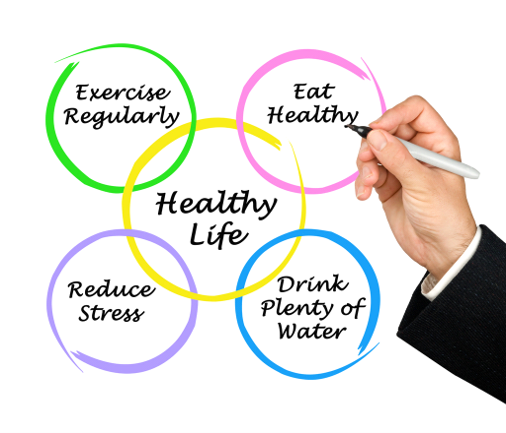
The modern definition therefore defines health as a universal value and an essential resource for a productive and high-quality life for every individual and for the community as a whole. According to this definition, health is a dynamic balance of physical, mental, emotional, spiritual, personal, and social elements, manifested in the ability to continuously perform functions and adapt to the environment. In this sense, health and the care of it are not merely the concern of the individual, the medical professions, or healthcare institutions, but rather the responsibility of the entire social community.
Health is influenced by biological, social, cultural, technological, psychological, demographic, political, and civilizational conditions, as well as by the health care system’s response to people’s health needs.
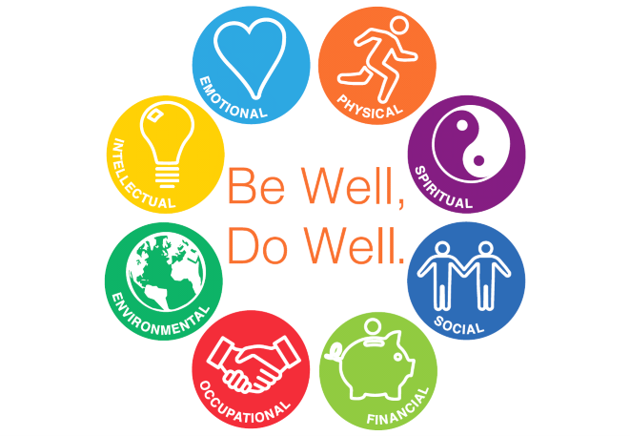
The circumstances in which a person lives are certainly important for their health and quality of life. Maintaining or improving health depends not only on medical measures but also on an appropriate lifestyle for both the individual and society. These include actions and behaviors that positively influence well-being, such as avoiding and managing stress, eating a healthy diet, avoiding unhealthy habits, and engaging in regular physical activity.
The latter is crucial, but it is essential to distinguish between physical activity and exercise. Physical activity refers to any time we engage in an activity, regardless of the work performed or oxygen consumption (such as walking, gardening, cleaning, or working), while exercise is planned, structured, and repeatable movement intended to improve one or more components of fitness. Exercise is therefore a form of physical activity, but not all physical activity is exercise.
The key factors that significantly influence an individual’s health, as detailed below, are as follows:
* upbringing and lifestyle and dietary habits acquired during childhood
* lifestyle
* social environment (the people with whom the individual interacts)
* social support in the environment
* employment/workplace conditions
* physical conditions in the environment
* an individual’s habits and ways of coping with stress
* income and social status
* healthy child development
* biological and genetic factors
* health care services
* gender
* culture
Achieving and maintaining good health is an ongoing process of activity and effort that also depends on the development of educational institutions and their staff (fitness centers, personal trainers, kinesiologists, physical therapists, and practitioners of alternative medicine) and healthcare systems, the knowledge that healthcare professionals provide to patients, and, above all, what modern guidelines teach us—guidelines that focus on successfully changing an individual’s lifestyle and, consequently, on individuals’ personal strategies for managing their own health.
Choosing a healthy diet is also a very important factor in personal health. Selecting the right nutrients for the body provides essential support for a healthy individual and serves as the foundation for regulating bodily processes, muscles, and bones, as well as influencing vital organs and blood pressure. An unhealthy diet increases the risk of developing various chronic diseases and can easily lead to problems with excess body weight, which in turn leads to other issues such as severely reduced self-confidence, depression, and impaired motor skills, among others.
The most important guideline for a healthy, happy, and successful life is, therefore, one’s own way of life and approach to life. The vast majority of people only begin to realize the importance of health once they lose it or even have a close brush with death. As biological beings, people should be happy, fulfilled, and completely healthy in life. In my opinion, we as humanity have found ourselves in a very precarious situation today.
On the one hand, there are numerous factors that have had a massive impact on health and lifestyle around the world.
For example, important factors such as:
* Life in the digital age (TV, smartphones, computers, a vast amount of information coming at us from all directions, which affects our psychological well-being)
* The Internet—if we don’t know how to use it to our advantage, it can become highly addictive and, to a significant extent, unhealthy for several reasons
* GMOs (genetically modified foods) and processed foods
* The pharmaceutical industry and the suppression of natural remedies
* A vast number of external factors that negatively impact our health (chemicals in clothing, water, toothpaste, cosmetics, and contaminated air and soil)
* Encouragement of an unproductive way of life through countless aids (material possessions and products that make our lives easier and keep us deeply entrenched in our comfort zone)
* Outdated educational systems
* Outdated healthcare systems
* The toxicity of the fitness industry
* Corrupt political and economic systems
* A mindset of comfort and the comfort zone
* A widespread lack of discipline and unhealthy habits
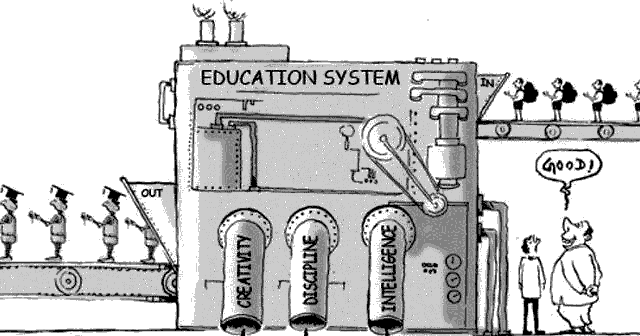
On the other hand, there is a modern and highly successful sector dedicated to promoting, teaching, and implementing a healthy lifestyle—one that we, as the global community, should support, fund, and develop much more.
This industry and other positive initiatives include, for example:
* The positive side of the fitness industry (successful trainers and fitness centers and studios that operate according to modern, effective, and optimal guidelines, which include programs and guidance for positive lifestyle changes and learning how to become a better version of oneself, rather than merely prescribing workout routines and meal plans)
* Kinesiology (a very important field that is constantly expanding)
* Physical Therapy (unfortunately, currently mostly used as an acute or short-term solution, without teaching people how to approach life and exercise after therapy; however, there are countless successful and inspiring stories resulting from properly administered physical therapy)
* Nutrition (admittedly a very sensitive field, but one that helps us understand nutrition through science)
* Wellness centers
* Alternative medicine
* Yoga & Pilates centers
* Meditation centers
* Pre- and post-rehabilitation clinics
* Organic farming
* Locally grown food
* The organic industry (cosmetics, clothing, and many other products)
* The Internet—a treasure trove of all the information we need, as long as we know where and what to look for

So how should an individual set out on the path to changing or improving their lifestyle? A healthy lifestyle is, in and of itself, a very broad concept, so the answer to this complex—yet, on the other hand, simple—question needs to be broken down in detail.
If we realize just how closely health and nutrition are linked, it becomes easier and clearer to see that we ourselves are responsible for our health and well-being—and that we cannot shift this responsibility onto someone else.
A personal trainer, life coach or therapist is merely our guide. Each of them simply shows us the way, but none can bear the burden of our decisions. Ultimately, we are the ones who set out on a particular path. That is why we must begin to take responsibility for our own health.
There are countless factors that we need to know how to successfully integrate into our daily lives.
I would put fitness and physical health FIRST. More about that in the next post!