
What Is Fitness?
In simple terms, a fitness center could be described as a space—or “gym”—that contains weights, exercise equipment, and other support facilities. In a broader context, however, the term “fitness” in colloquial language refers to an individual’s regular and systematic engagement in physical exercise, with the goal of maintaining or improving their health and physical abilities, as well as shaping their body.
Fitness can also be understood as an umbrella term for physical activity, as it encompasses overall health care, avoiding health risk factors, and maintaining a healthy diet. We can say that fitness represents a lifestyle. Fitness enables individuals to enjoy good health, well-being, the ability to perform daily tasks, have optimal energy and a high quality of life. The word “fitness” is derived from the English phrase “being fit,” which means being capable, prepared, healthy, and having a resilient body.
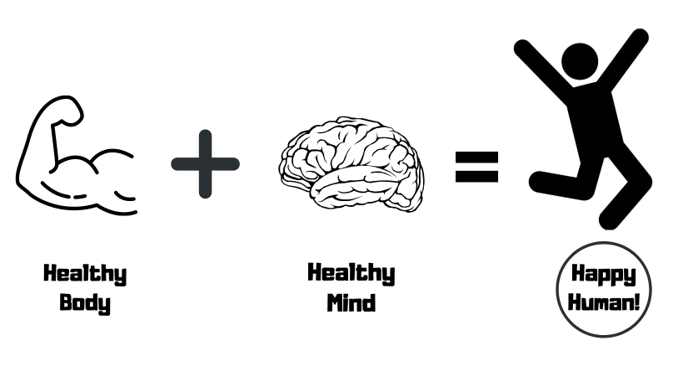
Working out at the gym (or in a home gym/workout space/ outdoor gym) is a form of exercise designed to improve physical fitness, well-being, and basic motor skills, as well as to enhance performance in a specific sport; it is suitable for beginners, recreational athletes, and elite athletes alike. According to experts, fitness training is the most rational choice of exercise in terms of effectiveness relative to time invested.
Fitness training can be divided into two categories:
* Fitness for health and well-being
* Fitness for improving physical abilities.
The goal of the recreational population is fitness for health, well-being, and maintaining bodily function, which includes aerobic and anaerobic activities, strength-building exercises, flexibility exercises, and maintaining an appropriate body composition.
Developments in the field of fitness (and in sports in general) have brought an extraordinary number of innovations, insights, and new principles in recent years, which can be partly attributed to the rise in gym membership and increased interest in personal training services.
Recreational fitness training can be understood as a means of maintaining an individual’s psychophysical abilities at an optimal level. Sport—or, in this case, fitness—also represents an important personal value.
1. Health-related components of fitness—these include:
* Cardiorespiratory fitness
* Muscle strength
* Muscle endurance
* Flexibility
* Body composition
Cardiorespiratory fitness = aerobic fitness or endurance (cardiorespiratory endurance, cardiovascular efficiency), or the body’s ability to utilize oxygen, or the ability of the circulatory and respiratory systems to supply working muscles with oxygen. Otherwise, a person has an increased risk of heart disease, diabetes, and obesity.
Muscular fitness = the body’s ability to generate and maintain strength. It consists of muscular strength (the ability to produce maximum contractile force) and muscular endurance (the ability of muscle tissue to sustain the produced force over a longer period of time). Muscular fitness is important for movement, healthy joints, proper posture, and stability.
Flexibility = is the most neglected component and, at the same time, one of the most important, as it is related to joint function, range of motion, the risk of injury and chronic pain, and consequently also to quality of life, especially among older adults and athletes.
Body composition = is the ratio of muscle mass to fat mass. The ratio is key, not the percentage of fat. Body composition is linked to metabolic fitness and health. The more muscle mass the body has, the easier it will be to maintain a caloric balance.
Fitness components related to athletic performance—these include:
* Explosiveness
* Speed
* Coordination
* Balance
* Agility
It is important to develop all of them.
Explosiveness = the speed at which we perform work. Good examples include Olympic lifts, plyometrics, and weighted throws, as they promote and develop acceleration. From a functional perspective, this also refers to the ability to generate enough speed and power to, for example, stand up from a chair. People who lose this ability lose their independence.
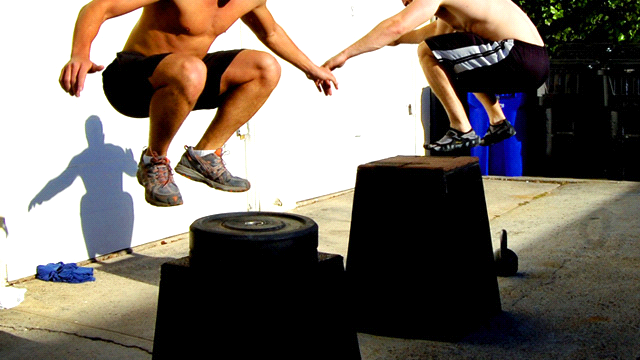
Speed = the ability of the body or parts of the body to move from point A to point B within a given time. In most sports, this is the most valued component. It declines with age, but at a much slower rate in active people.

Balance = the ability to control the forces acting on the body’s stability. The nervous system plays the most important role. The stabilizing function of muscles enables proper posture, movement, and body control. Balance improves as a result of enhanced neuromuscular coordination, which is the result of appropriate stimulation. For athletes, this means better control over strength at higher speeds; for the average person, it means a lower risk of injury in the event of a fall or accident.

Coordination = nervous system efficiency. The better the control, the easier and safer it is for the body to perform tasks. For example, the coordination between the eyes and the hand during a throw combines visual information with neuromuscular control. Coordination is necessary for all physical activities, but high levels of it are not essential for good health.
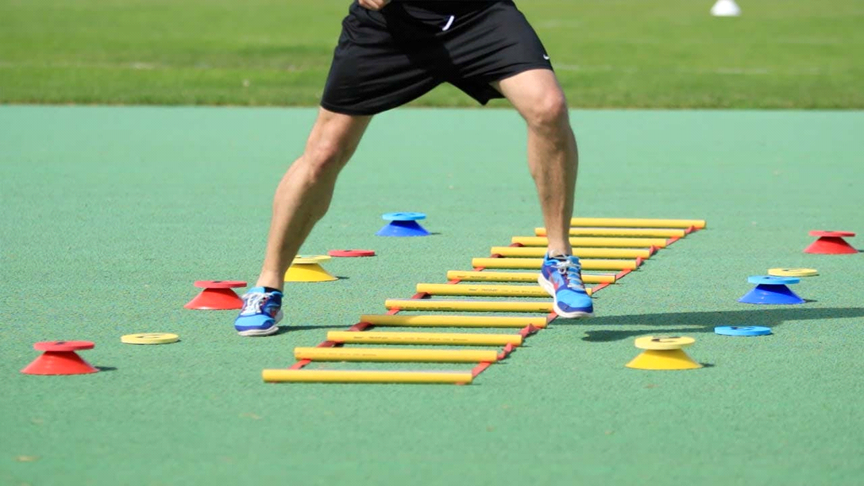
Agility = the body's ability to change direction quickly. It is required in many sports, and everyone must be able to change the direction of their body without losing their balance.
The Importance of Functional Anatomy
This section is for anyone who wants to delve a little deeper into the anatomy of the body.
There are several ways the human body can move, and several ways we can improve the functionality, strength, and health of the musculoskeletal system.
To better understand how bodily movements actually occur, here is a brief description.
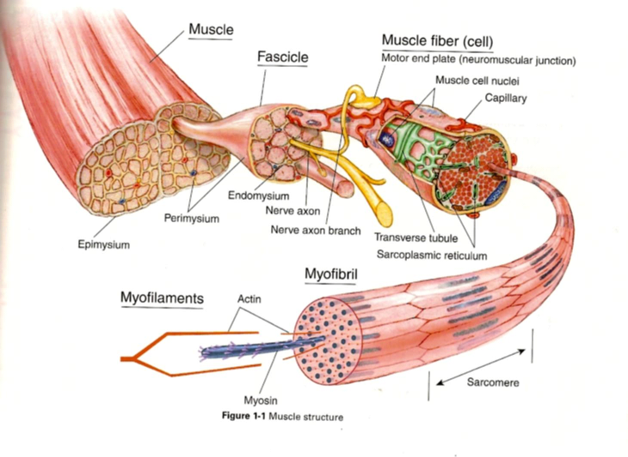
When the musculoskeletal system is set in motion, the result is often dynamic. Contractile forces from the myofilaments travel through the muscle fibers to the epimysium and muscle fascia, pulling on the tendon. The tendon, in turn, pulls on the bone and moves the joint. When voluntary movement occurs in a joint, the movement will depend on the location of the contractile force, the shape of the joint, and the structures acting on the joint. In most cases, the movement will move the limb away from the body or back toward it.
Describing movements in synovial joints requires anatomical terminology. For example, raising an arm can involve abduction, flexion, extension, or even rotation, depending on the starting position and the plane in which the movement is performed. These directional terms refer to anatomical structures and function.
To provide an anatomical description of a movement, we must know the starting position, the axis of rotation of the joint, and the plane in which the movement is performed. The anatomical position is the standard reference position of the body when describing the location, positions, and movements of the limbs or other anatomical structures. It is defined as the position of the body in an upright posture with the gaze directed forward, the feet parallel, the arms extended and hanging freely at the sides below the shoulders, the fingers extended, and the palms facing forward (thumbs away from the body). From this position, we can easily describe other positions.
We have positional lines and planes of motion, which we combine with spatial terms. The body is intersected by three planes, each with its own axis running perpendicular through it.
Most often, we describe movement using the sagittal plane (which divides the body into left and right sides), since most movements occur within it. A two-dimensional surface connects the anterior to the posterior and the superior to the inferior—or, in layman’s terms, it runs from front to back and from top to bottom. The transverse axis runs through it.
The frontal or coronal plane divides the body into anterior and posterior parts; it runs from one side to the other and from the top to the floor. The anteroposterior axis runs through it.
The transverse plane runs perpendicular to the sagittal plane and divides the body into upper and lower parts. Its axis of rotation is the longitudinal axis. By defining planes and axes, we can precisely describe any movement. Movements can be classified according to the plane in which they occur.
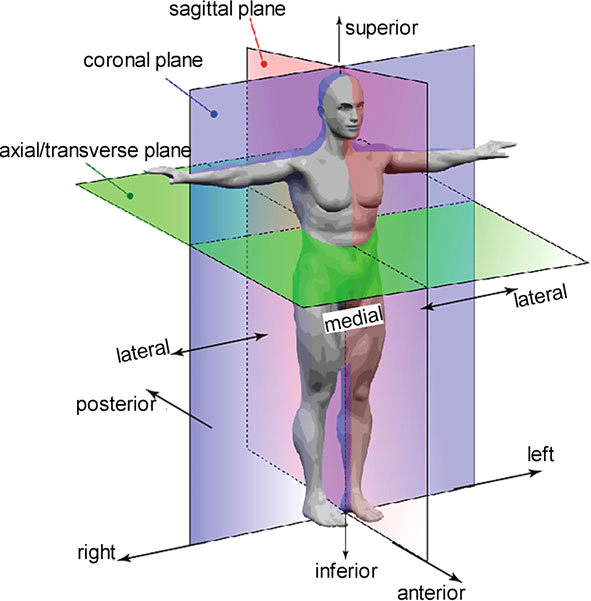
Based on these facts, we can then select appropriate and tailored movement patterns for performing exercises and designing programs, or choose the most suitable training method for each individual.
The most common bad habits related to physical activity:
* No physical activity at all
* Inappropriate physical activity (inappropriate type of exercise, too high or, conversely, too low intensity, or insufficient frequency of exercise)
* Spending too much time being sedentary (lying in front of the TV, sitting at a computer, desk work, etc.)
* An incorrect approach to starting exercise and intentional physical activity
* Incorrect execution of movements
* Lack of education about exercise
THE BENEFITS OF EXERCISE
So, what are the benefits most worth mentioning?
1. It improves quality of life
2. It makes it easier to perform daily tasks
3. In children, it fosters healthy lifestyle patterns and habits, prevents the potential onset of various diseases, promotes the development of motor skills and other physical abilities, and strengthens their immune system
4. In older adults, it prevents sarcopenia (loss of muscle mass, which reduces muscle strength and explosiveness, especially after age 60). Aerobic capacity also declines, leading to a lower quality of life in later years. Both aerobic and anaerobic exercise are beneficial. Aerobic exercise improves functional capacity, lowers blood pressure and the risk of type 2 diabetes, and improves cardiac output and oxygen consumption. Aerobic capacity can increase by 10–30%. Anaerobic exercise, on the other hand, increases skeletal muscle strength, muscle mass, and capillary density. It also improves maximum work capacity, VO₂ max, and serum lipid concentrations. Energy expenditure and insulin sensitivity increase, which positively affects risk factors for osteoporotic fractures.
5. Exercise during pregnancy improves cardiovascular fitness, reduces weight gain, alleviates musculoskeletal discomfort and pain, and lowers the incidence of varicose veins, thrombosis, the risk of preterm birth and complications during labor, shortens the duration of labor, reduces the risk of pregnancy-related diseases, and improves glucose tolerance; it also helps women recover more quickly, both mentally and physically, after childbirth. It also reduces the risk of gestational diabetes and preeclampsia, as well as the risk of complications associated with maternal obesity, including infertility and miscarriage, and excessive weight gain during and after pregnancy. It also increases the fetus’s heart and respiratory rates, and the fetus responds better to labor itself, making delivery easier.
6. Physical activity protects against type 2 diabetes and has a positive effect on existing cases of the disease, as it increases glucose uptake by cells, thereby lowering blood glucose levels without causing high insulin levels.
7. Exercise strengthens our immune system
8. It improves sleep quality
9. Exercise triggers the release of various hormones, including dopamine, which induces feelings of euphoria, happiness, and satisfaction
10. It fills us with energy
11. Significantly enhances mental and physical well-being
12. Effectively helps regulate stress and anxiety levels
13. Strengthens muscles and contributes to increased bone density
14. When performed correctly, the exercises effectively alleviate chronic back pain
15. Reduces the risk of cardiovascular disease and other potential health conditions
16. Regulates blood pressure and gradually lowers the heart rate per minute
17. Improves the delivery of oxygen and nutrients to the blood and, consequently, to the bones, muscles, and all organs
18. Has a strong positive effect on self-confidence
19. With the right approach, we can correct our posture
20. Improves digestive health
21. Improves overall well-being
22. Builds discipline and self-motivation
23. Increases testosterone levels
24. Improves hormonal balance
25. Provides increased motivation to achieve other life goals
26. Exercise simply makes us happy, as our bodies are designed for movement
27. Exercise reduces the risk of atherosclerosis by lowering blood pressure and LDL cholesterol levels
28. It also reduces triglycerides, increases lipoprotein lipase, and thereby improves a person’s lipid profile and reduces blood cell stickiness, as it counteracts the effects of stress
These are some of the most important facts about the positive effects of regular exercise, though I could probably list enough to fill an entire book. Now let’s dive right into aerobic and anaerobic exercise.
THE BENEFITS OF AEROBIC EXERCISE
In the modern fitness industry, aerobic exercise—or “cardio”—is often overlooked or even ridiculed. Unfortunately, this is one of the biggest problems, since aerobic exercise, when done in appropriate amounts, for the right duration, and in the right forms, can have a very positive impact on our health, well-being, and even our physique!

Aerobic efficiency, or aerobic fitness, is a very important component of physical fitness.
When our muscles need oxygen, our aerobic (cardiovascular) system must be able to deliver it efficiently to the muscles. When waste products that need to be eliminated (e.g., carbon dioxide and metabolic waste products) accumulate in our body, our cardiopulmonary system must be able to perform this task. These two functions form the functional basis of aerobic fitness.
Aerobic exercise has another potential benefit that is essential for all individuals who exercise—it burns excess body fat.
With aerobic exercise, we can burn up to 1,000 calories per hour, depending on the type and intensity of the exercise. As a result, individuals who wish to reduce their body fat levels can accelerate the pace and effectiveness of achieving this goal by incorporating aerobic exercise, while also contributing to improved health and well-being. The potential positive health effects of a balanced diet combined with increased (appropriate) physical activity are extensive, long-term, and scientifically proven. Weight loss achieved through starvation or a sedentary lifestyle, on the other hand, has the opposite, negative consequences that we do not want.
Engaging in aerobic exercise is guaranteed to extend our lifespan. Research shows that for every hour of aerobic activity, we can extend our two hours of life, which is a very good return on the time invested. Aerobic exercise can therefore improve both our quality of life and our life expectancy.
Aerobic exercise also has a positive effect on subcutaneous and visceral fat and improves insulin sensitivity and blood triglyceride levels.
Aerobic exercise increases available energy levels.
The old saying, “Add years to your life and life to your years through exercise,” holds true to a considerable extent. A properly designed aerobic exercise program gives us more energy to engage in activities we enjoy.
Aerobic exercise helps alleviate depression.
Many experts believe that exercise is the best natural mood stabilizer. Researchers have found that individuals suffering from mild to moderate depression who engage in aerobic exercise for fifteen to thirty minutes at least every other day typically experience a dramatic improvement in their condition.
Aerobic exercise helps prevent certain types of cancer.
Studies have shown that men and women who engage in sports have a much lower risk of developing colorectal cancer. Research has also shown that women who are not physically active have a more than two-and-a-half times higher risk of developing cancer of the reproductive system and nearly twice the risk of developing breast cancer.
Aerobic exercise boosts self-esteem.
Research has confirmed that people who exercise regularly feel better about themselves than those who lead a sedentary lifestyle. In other words, active people generally have higher self-esteem than sedentary or inactive people.
Aerobic exercise relieves stress and anxiety.
Exercise neutralizes or reduces the effects of hormones and other substances that accumulate in the body during periods of high stress. Exercise also induces a period of significant emotional and physical relaxation that begins about an hour and a half after an intense workout.
Aerobic exercise reduces the risk of heart disease.
Experts have found that people who do not exercise are twice as likely to develop heart disease as those who engage in regular aerobic exercise.
Aerobic exercise can “slow down” the aging process.
By counteracting the decline in functional abilities and physical performance that results from aging, aerobic exercise can help preserve and maintain physical abilities and, consequently, independence.
Aerobic exercise increases good cholesterol (HDL).
Exercise is one of the few voluntary activities that is effective in raising levels of HDL cholesterol, a type of cholesterol that reduces the risk of heart disease.
Aerobic exercise improves sleep quality.
Researchers have found that active people fall asleep more easily and quickly, sleep more soundly, and feel more rested than individuals who are inactive.
Aerobic exercise improves mental sharpness.
Numerous studies have shown that people who exercise regularly have better memory, faster reaction times, and better concentration than inactive people.
What type of aerobic exercise should you choose?
Today, fitness centers offer a wide variety of aerobic exercise machines, ranging from “classic” treadmills to stationary bikes, elliptical trainers, rowing machines, and more. What should you choose? To improve cardiovascular fitness, it’s recommended to choose a variety of machines and switch between them regularly, thereby adding variety and different movement patterns to your workout. In any case, the main guiding principle when making a choice (and, of course, determining intensity and duration) is to take into account individual differences, such as a history of injuries, illnesses, and how you feel during exercise. Certain types of exercise can cause discomfort or pain in some individuals, which may result from past injuries or anatomical differences. A typical example is knee pain when running on hard surfaces; often, switching to running on a treadmill, which better cushions the impact of the foot on the ground, leads to a reduction in pain or discomfort. In such cases, if running on a treadmill also causes pain, we can replace running with exercise on a stationary bike, a rowing machine, or any other piece of equipment we prefer. After all, we don’t even need any equipment for aerobic exercise; there’s a huge variety of available exercises that require only a few square meters of space, and we can also do them by, for example, swimming longer distances.
In any case, it’s important to note that cardio exercise isn’t limited to just running and cycling; cardiovascular improvements—or the cardiovascular effect—can also be achieved through appropriately tailored strength training or exercises using weights or your own body weight.
How much aerobic exercise?
For cardiovascular exercise to be effective—that is, to improve the cardiovascular system—experts recommend aerobic exercise 3 times a week for 20–60 minutes per session at an intensity of 55% – 85% of your maximum heart rate, which can be roughly calculated by subtracting your age in years from 220 (220 – age). Of course, this also depends on the individual, their goals, and their fitness level.
ANAEROBIC EXERCISE
Anaerobic exercise refers to activities in which oxygen cannot meet the body’s energythe needs of working muscles. Consequently, muscle fibers must obtain the energy required for muscle contraction from substrate stores, such as glycogen, ATP (adenosine triphosphate), and CP (creatine phosphate). During aerobic exercise, however, muscles constantly produce ATP, which enables muscle contraction via the citric acid cycle. The differences between these energy processes are reflected in intensity, as anaerobic exercise requires greater force or higher intensity than aerobic exercise. For this reason, aerobic exercise requires greater effort and contraction speed to ensure adaptations in muscle strength and physical fitness. Although aerobic training offers numerous health benefits, anaerobic exercise is essential for maintenance and adaptations that cannot be achieved through aerobic exercise alone.

Anaerobic energy processes are activated during resistance training. This resistance can be any force that the body must overcome to perform exercises that exceed the energy-producing capacity of the aerobic system. Muscle strength, power, and endurance are linked to the capacity of the neuromuscular system to generate force. Therefore, activities that apply a resistive force to muscle tissue stimulate adaptations that improve the performance of the neuromuscular system.
The Role of Anaerobic Exercise
Anaerobic exercise plays an important role in preventing sarcopenia—the loss of skeletal muscle in older adults—and muscle atrophy, and it prevents or slows the potential development of osteoporosis. With proper implementation of anaerobic training, we can maintain or increase muscle mass. Studies have shown that exercises for strength, balance, agility, and jumping (especially when combined) prevent a decline in functional performance in older adults.
Research has shown that anaerobic exercise also has positive effects on the structure of the weight-bearing shinbone, suggesting that this type of exercise helps prevent bone fragility. Regular maintenance of muscle strength, especially in the lower extremities, is crucial for maintaining physical balance. Dynamic balance is therefore an important factor that helps improve and prolong quality of life.
In addition to a decline in functional abilities, older adults often experience a fear of falling, which leads to reduced mobility. A lack of physical self-confidence can have negative consequences for otherwise very agile older adults who do not move enough due to their fear of falling. Individuals who engage in anaerobic exercise report having greater confidence in their physical abilities, which in turn reduces the negative psychological impact of the fear of physical activity in old age.
Anaerobic Exercise and the EPOC Effect
Anaerobic exercise has been shown to improve strength and increase muscle mass. An increase in muscle mass leads to a faster metabolism. A 0.5 kg increase in muscle mass boosts resting metabolism by approximately 11–15 kcal per day. This value increases further with regular physical activity, which consequently also increases oxygen consumption. Due to greater muscle mass, the body expends more energy during movement, as it must perform additional work with every movement.
An additional benefit of anaerobic exercise is the accelerated metabolism following exercise—EPOC (Excess Post-Exercise Oxygen Consumption). Within two hours after exercise, energy expenditure can increase by up to 18.6%.
It is also important to note that the respiratory quotient (RQ) decreases from 0.85 to 0.75, which means greater fat burning compared to the RQ during normal rest.
The effects of anaerobic exercise on the body are confirmed by numerous studies.
Anaerobic Training in Sports
It plays a crucial role in preparing for sports activities. The increase in strength and explosiveness resulting from anaerobic training leads to improved athletic performance across various energy systems.
Athletes who engage in both anaerobic and aerobic training have achieved better athletic performance through specific anaerobic training programs.
The results of properly executed training are reflected in neuromuscular adaptations that:
* Accelerate movement
* Improve movement economy
* Increase maximum power output
* Reduce fatigue at the highest intensity levels
* And improve muscle balance
Improved Movement Economy
Improvements in movement economy, both at the athletic and functional levels, are linked to anaerobic training. For example, long-distance runners have improved their movement economy by as much as 8% through anaerobic training.
These improvements are linked to neuromuscular properties, such as faster activation of motor units in the muscles, which reduces foot-ground contact time.
Similarly, improvements in walking economy have been observed in older adults. Anaerobic training increases lower-body strength, which improves various aspects of walking, particularly mediolateral stability. This means that anaerobic training improves movement economy regardless of the speed of movement itself.
Anaerobic Exercise and Bone Density
As I mentioned earlier, weight training and anaerobic exercise are very important in preventing bone loss as we age. A correlation has also been demonstrated between bone mass and the strength of the muscles attached to the bones. Bone mass loss can occur at any age, but becomes more noticeable after age 30. The greatest loss of bone mass occurs in older adults and the elderly. Anaerobic exercise aimed at increasing physical strength can reduce the risk of premature bone mass loss and the development of osteopenia and osteoporosis. These positive effects are not age-dependent. Pre-adolescents, adolescents, and adults alike have been shown to improve their bone mass through weightlifting. By applying the right amount of stress to the bones during physical activity, we can stimulate bone density growth throughout our entire lives.
Improved Body Composition
Anaerobic exercise has proven to be a beneficial method for improving body composition and regulating body weight in many cases. Obesity, especially in the central part of the body, poses a high health risk, so weight management is a key factor in reducing the risk of metabolic syndrome. If weight loss is achieved solely through calorie restriction or a calorie deficit without incorporating physical activity, lean muscle mass is also reduced, which can hinder the actual process of weight loss, make subsequent weight management more difficult, and have negative short-term and long-term health consequences.
Improving Insulin Sensitivity
Anaerobic exercise improves insulin sensitivity and the responsiveness of muscle and adipose tissue to insulin. This is particularly important for individuals who are overweight and have associated increased insulin resistance. Numerous studies have shown that obese individuals who engage in regular, dynamic anaerobic exercise improve their insulin sensitivity. This finding also applies to children, as insulin resistance is linked to the pathophysiological consequences of obesity and the development of type 2 diabetes in children. Insulin sensitivity is also important in older adults who are not overweight. Strength training increases insulin-stimulated glucose levels in both healthy older adults and those with diabetes. In older men with hypertension, a four-month anaerobic training program resulted in a significant improvement in insulin-mediated glucose regulation and lean muscle mass.
Improved Flexibility
Anaerobic exercise has been shown to improve flexibility in older adults. Numerous clinical trials have demonstrated that anaerobic exercise programs improve flexibility within 6 to 10 weeks. Positive effects have also been observed even when exercising with lower intensity. Anaerobic training also significantly improves flexibility in healthy young individuals. Increased muscle strength can improve joint flexibility, as joints are influenced by strength and muscle balance.
Improved Quality of Life and Functionality
Adequate strength and power are closely linked to functional independence for everyone, especially older adults. Research findings show that this type of exercise helps improve various aspects of functional physical fitness, even in individuals who have previously led predominantly sedentary lifestyles (e.g., office workers). Anaerobic exercise has a positive effect on strength-related activities, endurance, balance, coordination, and flexibility.
All of this is reflected in an individual’s overall daily functionality, such as the ability to perform daily tasks, the ability to lift various loads correctly, walking and even running without pain, the ability to perform basic daily movement patterns such as easily rising from a chair or sofa to a standing position, bending over, leaning forward, performing household chores and other physical tasks and activities—in short, the ability to move without restriction.
Anaerobic Exercise and Energy Processes
Because anaerobic energy systems are capable of producing more force, anaerobic exercise encompasses a wide variety of exercise systems and techniques. Anaerobic energy is required to perform any activity that demands more force than the aerobic metabolic system can handle.
Anaerobic metabolism involves two energy processes:
- The phosphagen system, which involves adenosine triphosphate (ATP) and creatine phosphate (CP), and glycolysis, which uses glucose and glycogen to regenerate energy. The unique differences between energy systems are what determine which system is suitable for a specific activity or exercise technique. For this very reason, energy processes are also taken into account when designing a training program aimed at achieving specific results. The anaerobic phosphagen system contributes a tremendous amount of power due to phosphate bonds. The main problem with this energy system is that it is depleted extremely quickly, making it ideal for short, intense efforts lasting up to about 10 seconds (or slightly longer)—such as sprinting, heavy weightlifting, and strength training.
- When exercise lasts for an extended period, the body must use glucose as an energy source. For the production of moderate-intensity forces and during longer workouts, sugar—which is stored in large quantities in the muscles—is used as fuel. The main limitation of this energy system is not the depletion of sugar stores, but rather the accumulation of lactic acid, which causes metabolic acidosis and cellular ischemia. The greater the exertion, the more energy is required. Due to rapid energy consumption, the production of lactic acid increases when greater force is applied, which consequently leads to contractile fatigue. Lactic acid production thus increases in direct proportion to the duration of the effort and the level of intensity. When glycolysis becomes the primary energy system, exercise activities of the highest intensity can last approximately 90 seconds.
Goal-Oriented Anaerobic Training
The next factor to consider when selecting an appropriate type of anaerobic training is the desired training goal. Adaptations of the neuromuscular system associated with anaerobic exercise depend on the body’s demands for force production. If the goal of the exercise is explosiveness, training activities should be performed as quickly as possible and over a relatively short period of time. Due to the speed of muscle contraction, developing explosiveness primarily requires activation of the neuromuscular system. This is supported by the fact that the main adaptation to explosiveness training is the faster recruitment of motor units.
If the goal is to increase muscle strength, the focus here will also be on the neural component of muscle contractions. In strength training, however, the slower production of maximum force is influenced by the specific characteristics of muscle tissue. Both maximum explosiveness and strength depend on the phosphagen system, which shortens the duration of training activities. In contrast, training to gain muscle mass (hypertrophy) requires a longer time under load and moderate force, meaning that glycolysis is the primary energy source. A longer duration under load also means that more muscle fibers must be recruited. The main goal of hypertrophy is to stimulate an anabolic response.
The same applies to endurance training, as it, too, depends primarily on muscle adaptations and glycolysis, although less force is applied in this case. When training is focused on building endurance, the key muscle adaptations are tolerance and the ability to clear lactic acid; recruitment is not based on generating the greatest possible force, but rather on maintaining it. Using less force helps the muscles work for longer.
This brings us to the next chapter - nutrition.