
Mental Health
Mental health is a very important factor in the overall picture of a healthy lifestyle.
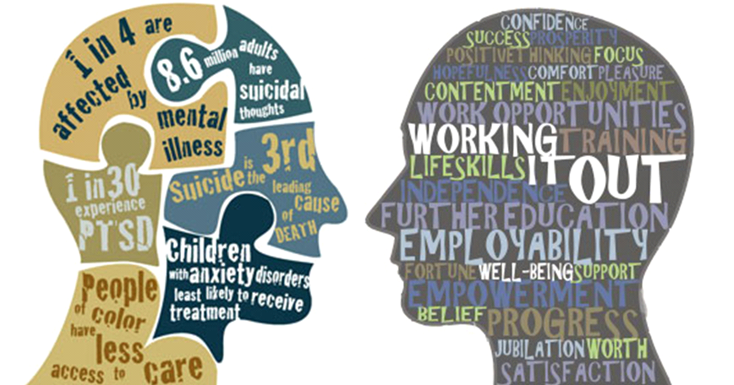
Mental health is an integral part of an individual’s overall health and is also a source of well-being. It is much more than just the absence of mental illness. In recent years, the concept of positive mental health has gained traction; it encompasses areas such as an individual’s inner psychological state, happiness, satisfaction, self-esteem, relationships with others, daily functioning, the ability to manage one’s life and successfully cope with challenges and problems, and contributing to the community in which one lives.
Throughout their lives, individuals may experience difficulties in one or more areas of mental health. When these difficulties significantly interfere with their daily functioning, we refer to them as mental disorders. Among the most common mental disorders today are stress-related disorders, anxiety, and depression.
We must nurture and care for our mental health. Numerous studies and modern medicine have shown that stress causes the vast majority of physical illnesses.
This is precisely why our attitude toward our mental well-being is so important. We live in a time when our brains and nervous systems must process an enormous amount of various data and information every day.
Humans were not designed to handle such a vast amount of incoming information (TV, smartphones, computers, radio, newspapers, and magazines…), which can lead to many worries and restless thoughts.
and, as a result, to chronic dissatisfaction, depression, constant worry, etc., which in turn raises stress levels. In addition, there are other factors that influence mental health, such as:
-CHILDHOOD AND UPBRINGING (how a child is raised, in what kind of environment), what habits (discipline, diet, respect, etc.) acquired in the early years of life; the amount of love and attention; the development of motor and social skills, etc.—all shape a person, and the foundations of a human being’s character are said to be formed by around age 6
-Social environment (family, the people we are surrounded by in our daily lives)
-Economic factors (job, finances)...
Something I’ve observed myself—and which is also a confirmed fact—is that most people have certain traumas, primarily from childhood, that carry over into our adult lives.
These traumas can take many forms, and they can be accompanied by the long-term internalization of these traumas as well as other frustrations and negative thoughts, since the vast majority of people do not have anyone with whom they can share their true thoughts and feelings.
Maybe—or I’ll even go so far as to say—that you might find yourself in this description as well; if not, thank God, and that’s great!
What happens as a result is that we bury all these negative thoughts and feelings deep inside ourselves and let them ferment within us.
Food isn’t the only way our body and mind get nourishment; what we listen to, read, and think about all the time also nourishes us. If our thoughts are constantly negative, this will be reflected in our lives. These toxic “nutrients” that we then hold inside us begin to eat away at us from the inside, which can lead to depression, anxiety, aggression, and even addiction in physical forms—as a way to escape our toxic thoughts. This can take the form of alcoholism, drug abuse, smoking, emotional eating, and a host of other unwise life choices.
So, one of the quickest and most effective solutions is to change our environment and the people around us. Since this is often not possible, we can also adapt in other ways, such as by tidying up, cleaning, and reorganizing the spaces where we live, thereby creating a more optimal environment for life and our goals (e.g., placing a yoga mat in the bedroom, removing all unhealthy processed sweets and foods from the kitchen and stocking it with fruits, vegetables, dark chocolate, honey… cleaning the apartment regularly and washing the dishes…). If we can’t change an environment like our workplace, let’s make sure to set boundaries with all the toxic people around us and distance ourselves from them. When we start in our
To make such positive changes in our lives, and once our way of thinking and our perception of life change, we will consequently attract different, much more positive people into our lives. So don’t worry—even if you feel lonely for a while, the most important thing is to focus on yourself and your personal growth and become a better version of yourself. Everything else will follow. As mentioned earlier, if your thoughts are constantly negative, this is reflected in your life—and the same is true in reverse. If we create a positive, pleasant, and healthy environment in our minds, then our train of thought will automatically take on a much more positive tone, and we can also learn how to transform negative experiences, energy, thoughts, and situations into something positive. Of course, this doesn’t mean that one excludes the other. We can be the most positive person in the world, and negative thoughts will still cross our minds from time to time. But that’s exactly when we’re given the opportunity, time and again, to decide what to do with those thoughts. We can let them take over and give in to them, or we can redirect them and return to our core way of thinking.
Imagine focusing solely on these kinds of things for 6 months or even a year. I guarantee you 110 percent that after that period, you’ll be a changed person—in a very positive way.
So what would be an appropriate approach to achieving good mental health?
Physical and mental health are closely intertwined. In short: a healthy body, a healthy mind. In addition to all their healing and positive effects on the body, physical activity and a balanced, healthy diet also have a powerful impact on mental well-being.
Just as in nature, we too should constantly seek the right balance between tension and time for relaxation, between work and rest, and between physical and mental activity. Illness and suffering arise from a disruption of this balance—regardless of which area of life they affect.
Respect and Compassion. Living in harmony with natural principles is more than just a technique we learn. If we truly wish to live naturally, we must sincerely internalize and embrace these ideas. It is also very important that we understand these ideas, respect them, and treat them with great compassion. If we want to oppose violence—whether it is violence against people, the environment, or animals—we must first and foremost learn to respect life and regard it as something sacred.
We must realize that love truly has the greatest power in the universe.
However, there are also many other approaches we can incorporate into our daily lives that contribute significantly to our emotional stability, mindset, and well-being.