
Motivation & Discipline
What is motivation?
*Motivation is an internal process. Whether we define it as an instinct or a need, motivation is a state within us that seeks change, whether within ourselves or in our environment.
*When we tap into this source of energy, motivation provides a person with the drive and direction needed for flexible and open interaction with the environment and for problem-solving.
*The essence of motivation is proactive and persistent goal-oriented behavior. When we are motivated, we take action.
*Motivation is influenced by the fulfillment of needs that are necessary for sustaining life or essential for well-being and growth.
*Motivation involves the desire to continue striving for meaning, purpose, and a life worth living.
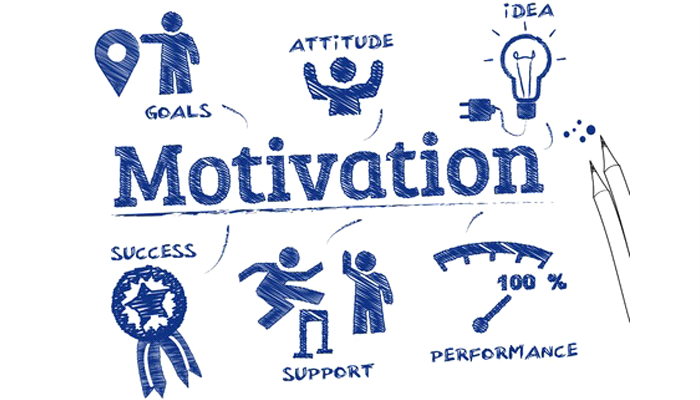
How Motivation Works
The interesting thing about motivation is that it’s mostly internal.
Let’s apply this concept to you. It makes sense that no one can force you to do something. They can’t tell you what your needs are, nor can they insist that what they value is what you should value. After all, they can’t instill in you a strong desire to achieve certain goals. Your motivation (needs, values, and goals) comes from within.
We distinguish between good and bad motivation. What you just read is an example of “bad” motivation. It has an external source that convinces you to prioritize your needs regarding achieving a goal, or it gives you a certain opinion about something that you may not have felt internally at all—or you simply don’t feel in your heart that it’s the right thing. To put it simply, you wouldn’t want to have that kind of motivation for something that doesn’t truly reflect your real thoughts and feelings.
“Good” motivation is exactly the opposite. It comes from within you; it has an internal source. These are actions motivated by your inner feelings and thoughts about what you believe you should truly be doing in your life. This can be anything, for example: you decide to lose weight, start eating healthily, change your lifestyle, try to become successful, or break free from the family “vicious cycle” (9-to-5 job, mortgage, loans, financial constraints, unhealthy lifestyle, etc.), try to create a better life for yourself and your loved ones, or do better in a competition
Do something that’s important to you and that you believe truly makes a difference. That should be your source of motivation. Choose them wisely.
It doesn’t matter what your background is; what matters is what you decide to do. Try to do what you know you have to do. What you know is ESSENTIAL. Things you know will improve your life.
DO THOSE THINGS. There are some things you know will make you a worse person and won’t improve your life—don’t do those things.
DON’T DO THINGS THAT MAKE YOU WEAKER; DO THINGS THAT WILL MAKE YOU STRONGER, SMARTER, FASTER, HEALTHIER, AND MAKE YOU A BETTER PERSON.
Do you want to be more disciplined? Be it. Go to bed earlier, wake up earlier. Make your bed in the morning. Tidy up your room or house. Work out. Eat healthy. Don’t use drugs or alcohol. It’s not easy, but it’s worth it. This is what will bring you FREEDOM.
Motivation is certainly a powerful tool that anyone can use. But it also has one major weakness. Unfortunately, motivation can disappear just as quickly as it comes. Maintaining consistent motivation is a difficult journey for most people.
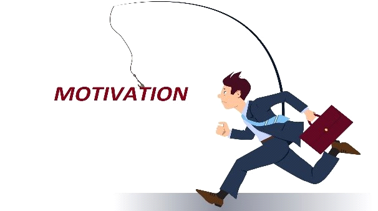
I would describe it this way. When a great idea suddenly comes to you or something inspires you and you want to take action, that’s when motivation for that idea arises.
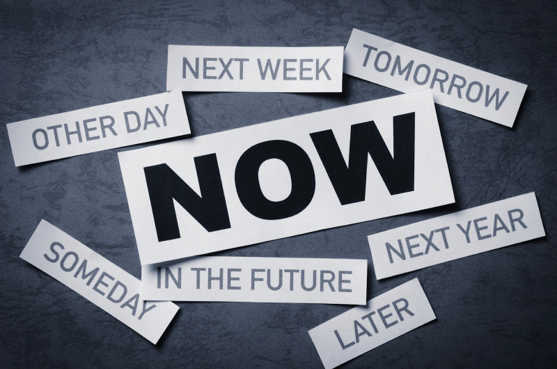
But here’s the problem. This creates a major obstacle called “procrastination.” Procrastination is the act of putting something off or delaying it. The word comes from the Latin word procrastinatus, which is derived from the prefix “pro,” meaning “forward,” and “crastinus,” meaning “tomorrow.” Procrastination can be your greatest enemy in the “race against time.”
The word “student” comes from the Latin word discipulus, which means “student.” The word ‘discipline’ comes from the Latin word disciplina, which means “instruction and training.” It is derived from the root word discere—“to learn.”
Everyone can accomplish much more in less time. This is where productivity and discipline come into play.
PRODUCTIVITY
If you feel more productive, you’re statistically more likely to feel happier, more successful, and more confident. You’re also more likely to take better care of yourself, advance more often, and earn more than people who feel less productive. Clearly, mastering this area of life is very important.
“Productivity isn’t so much about how you use your time as it is about how you use your thoughts.”
The foundations for greater productivity are setting goals and maintaining energy and focus. If you don’t have goals, aren’t focused, and lack energy, you’re at a standstill.
Energy is another important factor in determining productivity. Almost everything you do to take good care of yourself is important for increasing your effectiveness. Good sleep, nutrition, and exercise are key factors in boosting productivity.
If you want to be productive, you also need to focus. This isn’t easy in today’s world. Information overload, distractions, and interruptions have serious consequences for both our health and our productivity. Information overload leads to demoralization and lower-quality work. Dealing with an endless stream of incoming data—or having to spend a large part of the day reading through or searching for information—makes us unhappy. That’s why we have the term “analysis paralysis”—we’re paralyzed by too much data and the excessive time we spend gathering and analyzing it. This is just one of the reasons why you should never check social media or email first thing in the morning. It leads to overwhelm and reactivity—which is not the emotion or mindset with which we want to start our day.
Multitasking, for example, is inherently distracting. It is incompatible with states of peak concentration, which are linked to greater efficiency and high-quality work. When people perform multiple tasks at once, they cannot fully focus on the task at hand because their brains are still processing the last unfinished task.
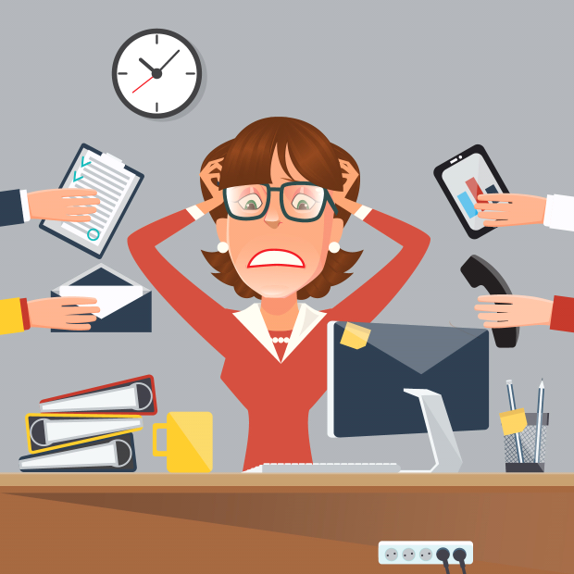
Interruptions are also a major culprit. Most people are interrupted multiple times while working on a single task, activity, or meeting. When this happens, it’s hard for them to refocus and get back to what they were doing. They don’t return to their original task, but instead, on average, they turn their attention to two other tasks or projects before refocusing on their original task. A single major interruption during the workday can set important, planned tasks back by two to three hours.
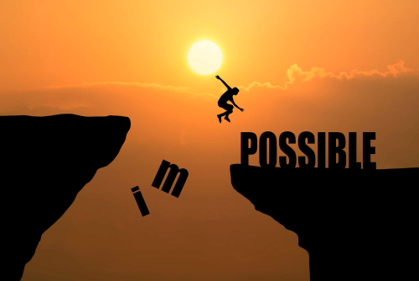
These facts should encourage you to seriously set challenging goals and channel your energy and focus in the right direction. But this is hard work, often undermined by our assumption that it simply isn’t possible. Too many people say they can’t set bigger goals or maintain their energy because their work-life balance has become so out of whack.
“One of the most common ways modern people maintain self-deception is by keeping themselves busy all the time.” —Daniel Putnam
Let’s talk about discipline.
What Is Discipline, Really?
Discipline is the study, learning, training, and application of a system of standards.
*To understand what discipline really is and what it truly means, let’s examine the origin of the word to discover its purpose and true form.
*The word “student” comes from the Latin word discipulus, which means “student.” The word “discipline” comes from the Latin word disciplina, which means “instruction and training.” It derives from the root word discere—“to learn.”
*Discipline is a choice… your choice. It is a decision. Better yet, it is all of your decisions.
*Discipline is not rules, regulations, or punishments. It is not conformity, obedience, or enforcement. It is not a rigid, boring, or repetitive routine.
*Discipline is not something others impose on you. It is something you do for yourself.
*You may receive instructions or guidelines from one or more sources, but the source of discipline is not external. It is internal.
*Discipline is not obeying someone else to avoid punishment. It is learning and applying purposeful standards to achieve meaningful goals.
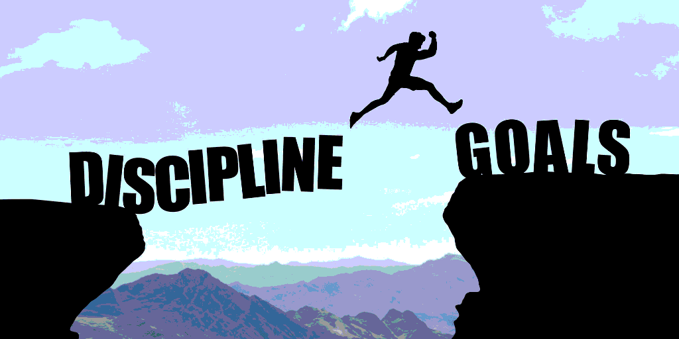
There is a related issue here called taking ownership. If you constantly blame others for your problems, if you don’t take responsibility for them, the problems won’t be solved. If you blame anyone—for example, your parents for raising you in an undisciplined environment—you won’t solve your problem with discipline. If you continue to point the finger at others as being responsible for your bad habits and lack of self-discipline, you’ve reached a point where you actually can’t do anything about it. “This is just the way it is; I can’t change now; I am who I am.”
But in reality, that’s not the case. The power to decide and take action—to take responsibility and learn to be disciplined—lies entirely within your mind. It is an entirely internal source.
I myself learned discipline through sports, living independently, a serious relationship, and constantly taking on new challenges. My greatest and most consistent pillar of self-discipline has always been physical activity. I exercise regularly, train in various sports, and always stay active, no matter what’s going on in other areas of my life. Whenever something goes wrong in any area of my life, I can always, in one way or another, work on myself—whether by building a stronger, more athletic body, constantly learning, or improving my health in every way—and I always move forward with the times rather than dwelling on the past. This is the foundation of my self-discipline.
Someone can teach you discipline, but in the end, it’s always up to you. No one else will do it for you. You won’t find discipline anywhere else but in the mirror.
10 Benefits of Discipline:
*LEARN TO VALUE TIME.
*MANAGE YOUR EMOTIONS
*GAIN AN UNDERSTANDING OF RIGHT AND WRONG
*BECOME A BETTER PERFORMER
*HELP YOURSELF BECOME MORE ACTIVE.
*ACHIEVE YOUR GOALS MORE EASILY
*BECOME SELF-CONFIDENT
*ACHIEVE ACADEMIC AND PROFESSIONAL SUCCESS
*IMPROVE YOUR WEIGHT, FITNESS, AND HEALTH
*BECOME THE BEST VERSION OF YOURSELF
More discipline, more choice, more control. Better opportunities. Higher standards. Improved knowledge. Greater flexibility.
Less discipline, less choice, less control. Fewer opportunities. Lower standards. Inadequate knowledge. Less flexibility.
Explore a deeper understanding of discipline—what it is, how it works, and why it works. Observe yourself throughout the day. Observe other people. Compare these words with what you observe. Go out into the field AND DO WHAT IS NECESSARY.