
Breathing & The Power Of Breath
Breathing is the most fundamental life process, which, above all, enables us to live.
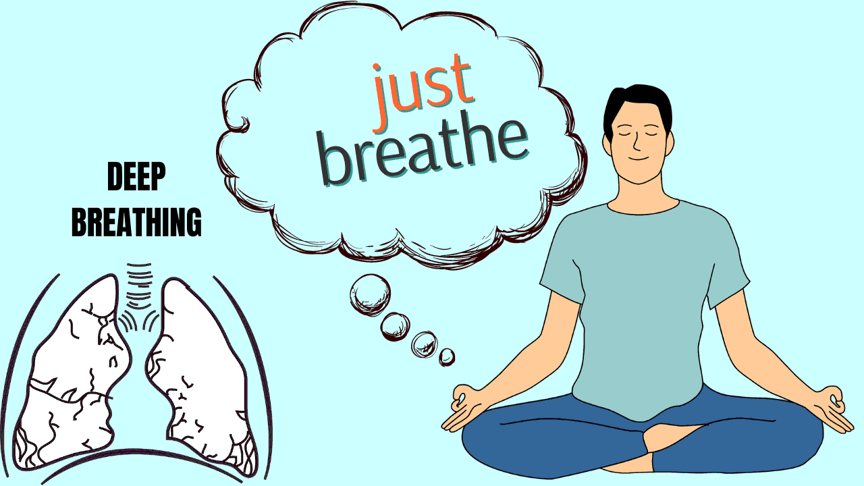
Although breathing is the foundation of our lives, we neglect it and do not devote enough attention to it because we are unaware of its power. Modern people no longer know how to breathe properly and effectively.
According to research, at least 60% of the population breathes too shallowly, thereby exposing themselves to serious health risks.
Shallow breathing weakens the immune and nervous systems, contributes to the onset and progression of diseases, and can lead to anxiety, depression, memory loss, and more.
BREATHING is inextricably linked to our physical, mental, and emotional well-being.
Breathing is an individual’s first response at birth and shapes our lives over the years, as it is inextricably linked to our physical, mental, and emotional state. Breathing depends on what we feel, experience, think, observe, taste, and perceive—it is an indicator of an individual’s state and well-being.
Breath control and conscious breathing allow us to control the energy in our bodies.
Slow breathing calms our brain and relaxes us, while rapid breathing energizes us.
What happens in the body during shallow breathing?
*Metabolism is relatively sluggish, and various bodily functions are quite uncoordinated and out of sync.
*Body temperature may fluctuate.
*Emotions and thoughts are unstable.
*There is a tendency toward anxiety, frustration, dissatisfaction, and various forms of fear.
*Since breath contains energy and information, shallow breathing also leads to poor creative visions, a vague fear of everything new, or a clinging to the familiar.
What about deep breathing?
*Metabolism and self-healing processes are active,
*Individual bodily functions are balanced,
*Body temperature is stable.
*Emotional and mental states are also stable,
*Self-confidence is deepened.
*Emotional maturity expands, leading to an ever-greater sense of connection with the universal energy field.
Proper Breathing
Most people breathe only with their shoulders and lungs, which means that their lungs and bodies do not fill completely with oxygen because their breaths are too shallow.
Deep breathing can only be achieved through abdominal breathing—you know, the way babies breathe. If you watch them closely, you’ll see that when they inhale, their bellies rise, not their lungs. When we’re born, we automatically adopt the correct way of breathing, but unfortunately, we lose this ability over time due to the fast pace of life, stress, fear, and societal norms (society emphasizes a flat, flat stomach, not a rounded one).
However, even abdominal breathing is not the ultimate goal; it is merely an intermediate—and already extremely advanced—stage, immensely beneficial to our health. The most perfect form of breathing is, in fact, complete yogic breathing.
How to breathe correctly?
First, you must learn to breathe with your diaphragm and consciously follow your breath; only then can you move on to perfect breathing, which is represented by perfect yogic breathing, through which you fill your body with oxygen.
The first step, therefore, is to learn how to breathe using the diaphragm and how to consciously follow your breath. We consciously follow our breath by focusing our attention solely on the breath and nothing else (try to turn inward and follow the inhalation and exhalation).
Once we’ve mastered abdominal breathing, we move on to the other phases of complete yogic breathing (breathing with the upper lungs and mid-chest breathing—described below). Then we combine all three phases into a single deep and complete breath.
So let’s try to breathe this way for at least 5–10 minutes a day and gradually increase the duration of our breathing as much as we can. Our goal is to breathe in the proper yogic manner most of the time.
Nasal Breathing: Benefits and How to Do It Correctly
Breathing is essential for our health and survival. However, we rarely pay attention to our breath or to how we breathe. Most people go about their days without giving their breathing a second thought. Even more problematic is that most people breathe shallowly and sometimes rapidly through their mouths all day long, instead of breathing through their noses.
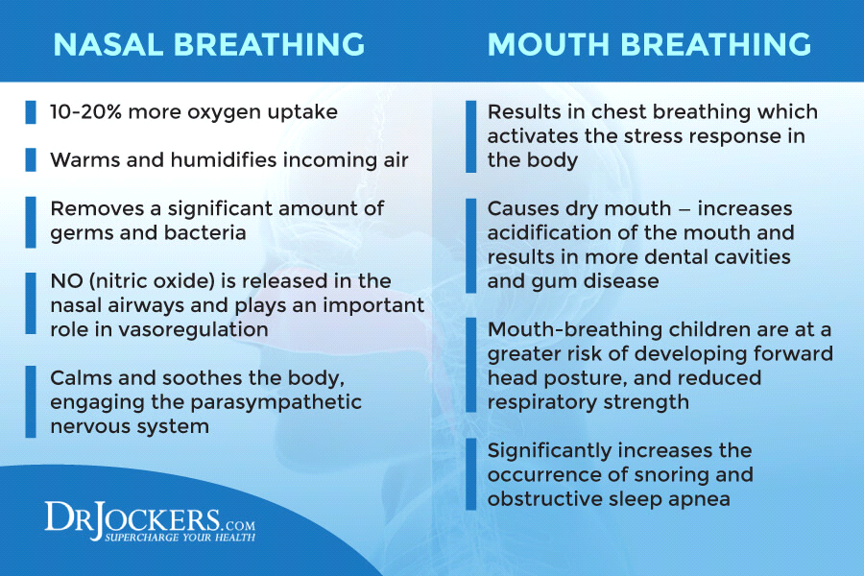
Unfortunately, mouth breathing is not ideal. It has quite a few negative effects, such as increased stress, anxiety, allergies, asthma, sleep apnea, bad breath, gum inflammation, and tooth decay.
Nasal breathing is much better for us. It can promote relaxation, reduce stress, improve circulation, and support restorative sleep. It also offers numerous other health benefits, including activating the parasympathetic nervous system and promoting relaxation, increasing oxygen intake and circulation, promoting deep and restorative sleep, improving physical and cognitive health, reducing allergies, hay fever, and nasal congestion, and improving oral health.
Paying attention to your breathing and practicing proper nasal breathing throughout the day are therefore crucial for your health and well-being.
What Is Nasal Breathing
People breathe in two ways: through the mouth and through the nose. Although oxygen enters the lungs through the mouth in both cases, there are some important differences between breathing through the mouth and breathing through the nose. Nasal breathing has more health benefits and poses fewer health risks than mouth breathing.
We use our mouths for many things: eating, drinking, speaking, and breathing. Nasal breathing is often more beneficial, but mouth breathing is also necessary. If your nose is congested, breathing through your mouth is essential. It’s also important for those with small nostrils and a deviated septum.
The problem with mouth breathing, however, is that we lose moisture, and the air we inhale is unfiltered before it reaches the lungs. Automatic shallow or rapid mouth breathing is also associated with stress and anxiety.
Nasal breathing enables efficient, safe, and proper breathing. When you inhale through your nose, your nasal hairs help filter out allergens, pollen, dust, and other foreign particles so they don’t reach your lungs. The nose also humidifies, warms, and moistens the air you breathe.
This way, the outside air is warmed to your body temperature inside the nose, making it much easier for your lungs to absorb and utilize it. When breathing through the nose, the nose also releases nitric oxide or NO, which helps dilate blood vessels and supports oxygen circulation.
Abdominal Breathing
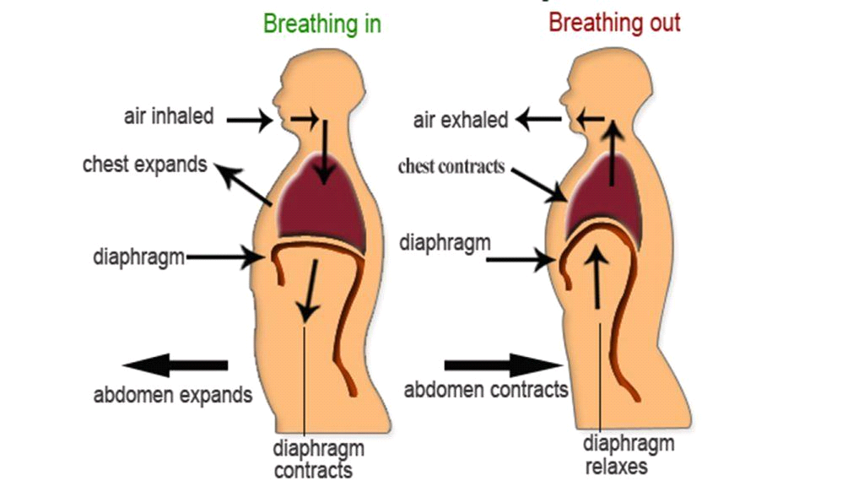
Diaphragmatic, or abdominal, breathing is the primary form of breathing. It is defined as breathing using the diaphragm, during which the chest does not move, as we breathe only into the abdomen.
Abdominal breathing stimulates lymph flow, provides an intense massage to the internal organs, improves blood circulation, and calms the mind. It significantly reduces the strain on the heart, lowers blood pressure, aids digestion, and regulates bowel function.
It is especially effective when practiced outdoors (particularly early in the morning or late in the evening) or immediately after rain, as the air is at its cleanest at those times.
How to practice abdominal breathing?
The easiest way to learn abdominal breathing is while lying down or sitting, with one hand on your abdomen and the other on your chest. When you inhale deeply (through your nose), your abdomen and the hand resting on it should rise, while your chest remains still. As you exhale, pull your abdomen inward.
Another important aspect of abdominal breathing is to breathe consciously. This means observing and following your breath, paying attention to it, and thereby making it clear to your body that this is an extremely important process.
Complete Yogic Breathing—The Most Healing and Powerful Breath
Complete yogic breathing fills the entire body with fresh oxygen, energy, and prana through the lungs and bloodstream. It has a beneficial effect on absolutely every cell in our body; the soul is calmed, and one gains self-confidence. It boosts immunity, regenerates, revitalizes, and cleanses the body.
It also has an exceptional effect on the heart, helping to calm arrhythmias, reduce an enlarged heart, and treat a wide variety of heart conditions.
Through yogic breathing, we experience complete peace, which—combined with a high intake of oxygen—creates the ideal conditions for the complete regeneration of our body.
Conscious, complete yogic breathing should be our ultimate goal in breathing, as it forms the foundation for every breathing exercise or technique.
Complete yogic breathing consists of three phases:
1. Abdominal breathing
2. Mid-chest breathing
We inhale slowly through the nose as the ribs expand.
As we exhale, we draw the ribs inward and exhale through the nose.
The abdomen and shoulders do not move; we fill only the lungs.
3. Upper breathing with the lung tips
Focus on the tips of the lungs.
After exhaling, inhale slowly through the nose;
as you lift the collarbone and shoulders, air enters the upper part of the lungs.
As you exhale, push the air out of your lungs and lower your shoulders.
You are practicing complete yogic breathing when you combine all three phases into one, beginning with an inhalation into the abdomen, then expanding it to the lungs and the upper lobes, while observing the principles of each phase.
Breathing Exercises
To improve our breathing—and, along with it, our physical, psychological, and mental well-being—we can turn to various types of breathing exercises or techniques, thereby strengthening our bodies, consciously controlling our breathing, and, over time, delving deeper into ourselves and our nervous system.
Humans are said to be fully capable of self-healing, but we have lost this connection with our inner selves. I highly recommend looking into Wim Hof, his breathing technique, and his method for rediscovering the deepest connection with ourselves—and thereby having a powerful positive impact on our health.